Material choice separates trim jobs that last decades from callbacks within two years. Interior moulding lives in controlled conditions where appearance matters most, while exterior trim battles constant weather exposure and requires materials engineered to resist moisture, UV breakdown, and temperature swings.
This guide covers the performance differences between interior and exterior moulding materials, how climate and exposure drive selection, cost and lead-time factors for builders, and installation techniques that prevent premature failure.
What Is Interior Moulding vs Exterior Moulding?
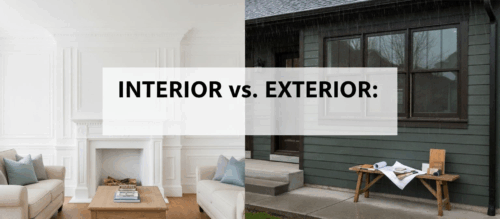
Interior moulding is trim designed for controlled indoor environments where appearance takes priority over weather resistance. Exterior moulding protects the building envelope from moisture, UV rays, and temperature swings while framing architectural features. The difference comes down to what each type faces: interior trim lives in stable conditions where a smooth finish matters most, while exterior trim battles constant weather exposure and requires materials engineered to resist rot, warping, and breakdown.
Inside your home, moulding includes baseboards, door casings, window trim, crown moulding, and chair rails—pieces that cover joints between surfaces and add visual detail to rooms. These profiles typically use lighter materials since they don’t carry structural loads or face rain and sun. Outside, trim encompasses window and door casings, corner boards, frieze boards, and fascia—elements that frame openings, protect vulnerable edges, and define the building’s style from the street.
Most projects involve both types, and knowing what each application demands prevents callbacks. Using interior materials outside leads to failures within a year or two, while specifying exterior products indoors drives up costs without adding real value.
Material Options At A Glance
Different materials fit different jobs based on moisture exposure, finish requirements, budget, and timeline. Here’s how the most common options stack up for residential and light commercial work.
MDF And Primed Finger-Joint Pine
Medium-density fiberboard (MDF) gives you a smooth, uniform surface perfect for painted interior trim at a lower price point. The material cuts cleanly and holds crisp profiles, though it’s heavy and creates fine dust when you work it. MDF soaks up moisture like a sponge and swells when wet, making it completely wrong for exterior use or damp interior spots like bathrooms.
Primed finger-joint pine joins short pieces of clear pine end-to-end with interlocking cuts and factory primer, creating stable, paint-ready trim for less money than solid clear pine. The finger joints show through thin paint, so plan on at least two finish coats. Like MDF, finger-joint pine can’t handle exterior moisture and will delaminate or rot when exposed to rain or high humidity over time.
Solid Wood Species
Solid wood remains the traditional pick for both interior and exterior trim, offering natural beauty, easy workability, and the choice to stain or paint. Species selection matters—soft woods like pine and poplar work well for interior paint-grade jobs, while harder woods like oak or maple suit stain-grade interior work. For exterior applications, naturally durable species like cedar, redwood, or treated pine resist decay better than untreated softwoods.
Cedar stands out outside thanks to natural oils that fight moisture and insects, though it needs regular finish maintenance to prevent graying and surface checking. Clear grades cost significantly more than knotty grades, and what’s available varies by region. Solid wood expands and contracts with humidity changes, so proper installation—including back-priming, correct fastening, and expansion gaps—becomes critical for performance that lasts.
PVC And Cellular PVC
Polyvinyl chloride (PVC) trim offers excellent moisture resistance and dimensional stability for exterior work, with virtually no rot or insect problems. The material comes in various densities, with cellular PVC being lighter and easier to work than solid PVC while keeping the same weather resistance. PVC cuts, routes, and fastens similarly to wood, though it expands and contracts more with temperature and requires specific fastening patterns and gap allowances.
The material takes paint well when properly primed with products made for PVC, but you can’t stain it like wood—a limitation for projects requiring natural wood grain. PVC costs more than treated wood or composites but saves on maintenance down the road. Some builders use PVC for high-exposure spots like water tables and window sills while using wood or composites elsewhere to balance cost and performance.
Fiber-Cement And Engineered Wood
Fiber-cement trim combines wood fibers and Portland cement into dense, stable boards highly resistant to moisture, fire, insects, and rot. The material handles extreme weather well and holds paint finishes longer than wood, making it popular in coastal and high-moisture climates. However, fiber-cement weighs significantly more than wood or PVC, requires carbide blades for cutting, and generates silica dust that demands respiratory protection during cutting and shaping.
Engineered wood products like treated composites and strand-based materials offer exterior performance between solid wood and synthetics. These products typically come with factory primer and resist moisture better than untreated wood, though they’re heavier and less workable than solid lumber.
Polyurethane And Composite Profiles
Polyurethane and composite mouldings excel at replicating intricate historical profiles that would cost a fortune to mill in wood. The materials are lightweight, stable, and available in highly detailed designs for interior crown moulding, corbels, and decorative elements. Installation typically involves adhesive plus mechanical fastening, and the materials accept paint readily.
Some polyurethane products carry exterior ratings, but verify specifications carefully—many decorative profiles are interior-only and break down under UV exposure. These materials work particularly well for high or hard-to-reach installations where weight matters and for projects requiring ornate details that would be prohibitively expensive in solid wood.
How Moisture And UV Exposure Impact Material Choice
Environmental conditions drive material performance more than any other factor. Moisture, sunlight, and temperature affect different materials in different ways, and picking products that match the exposure prevents failures.
Climate Zone And Humidity Levels
High-humidity regions and areas with frequent rain require materials that resist moisture absorption and dry quickly when wet. PVC, fiber-cement, and naturally durable woods like cedar perform well in wet conditions, while MDF and untreated softwoods fail rapidly. Even in dry climates, consider moisture exposure at specific locations—ground-level trim, areas under roof driplines, and spots prone to irrigation overspray all face higher moisture loads than protected areas.
Coastal environments add salt spray to the equation, speeding up corrosion of fasteners and breakdown of certain finishes. Stainless steel or hot-dipped galvanized fasteners become essential, and material selection shifts toward PVC or fiber-cement for the most exposed locations.
Direct Sunlight And Temperature Swings
UV radiation breaks down wood fibers, fades finishes, and degrades some plastics over time. South and west-facing walls receive the most intense UV exposure and benefit from materials with good UV resistance and finishes formulated to resist fading. Dark colors absorb more heat and show more movement, so lighter colors often perform better on large expanses of trim.
Temperature swings cause expansion and contraction in all materials, but how much varies significantly. PVC expands roughly five times more than wood per degree of temperature change, requiring larger gaps at joints and ends. Wood moves more with moisture changes than temperature changes, while fiber-cement remains relatively stable in both dimensions.
Contact With Masonry Or Concrete Surfaces
Direct contact between wood trim and masonry or concrete creates a path for moisture to wick into the wood, leading to rot even in otherwise dry climates. Proper detailing includes capillary breaks, flashing, and adequate clearance between trim and horizontal masonry surfaces. PVC and fiber-cement can tolerate closer proximity to masonry than wood, though proper flashing and drainage remain important regardless of material.
Foundation-level trim faces the harshest conditions—ground moisture, splash-back from rain, and potential contact with soil or mulch. The most durable materials available go in these locations, with adequate clearance above grade per local building codes.
Cost And Lead-Time Comparison For Builders
Material costs represent only part of the total installed cost—finishing requirements, installation labor, and long-term maintenance all factor into the real comparison. Lead times vary significantly between stock and custom profiles, affecting project scheduling.
Material Price Range Per Linear Foot
Budget interior options like MDF and primed finger-joint pine typically run $0.50 to $2.00 per linear foot depending on profile complexity. Mid-range materials including common pine, poplar, and basic composites range from $2.00 to $5.00 per foot. Premium options—PVC, fiber-cement, clear hardwoods, and custom-milled profiles—can run $5.00 to $15.00 or more per foot.
Profile size and complexity, finish requirements, and market conditions all shift these ranges. Custom knife grinding adds tooling costs from a few hundred to several thousand dollars depending on profile complexity, though the per-foot material cost may stay similar to stock profiles once tooling gets spread across the project.
Stock Vs Custom Profile Turnaround
Stock profiles in common materials are often available for same-day pickup or next-day delivery, making them ideal for fast-track projects or last-minute needs. Custom milling for profile matching or specialty species requires time for knife grinding, setup, production runs, and finishing—typically two to six weeks depending on shop capacity and project complexity.
Planning ahead for custom work prevents schedule delays. Send profile samples or accurate tracings early in the design phase to confirm what’s possible and get accurate lead times.
Freight And Handling Factors
Long lengths of trim—16-foot to 20-foot pieces—reduce joints and improve appearance but require special handling and may trigger freight surcharges. Fiber-cement and some engineered products weigh significantly more than wood or PVC, increasing shipping costs and requiring more labor for handling on site.
Coordinate delivery timing with site conditions—avoid leaving materials exposed to weather, and provide covered storage if installation won’t happen immediately. Damaged trim generates waste and delays, so proper handling from supplier to final installation protects both schedule and budget.
Can You Use Exterior Trim Indoors Or Interior Trim Outdoors?
Material crossover happens occasionally, but knowing the performance implications helps avoid problems. Some exterior materials work fine indoors, while interior products almost always fail when used outside.
When Exterior Boards Work Inside
Exterior-rated materials like PVC or treated composites can certainly work for interior applications, particularly in high-traffic commercial spaces or residential areas prone to moisture like mudrooms and laundry rooms. The materials offer superior durability and low maintenance compared to interior-grade options, though at higher cost. The appearance may differ from traditional wood trim—PVC lacks wood grain texture, and some composites have a denser, less natural appearance than solid wood.
Risks Of Using Interior Grade Outdoors
Interior-grade materials like MDF and finger-joint pine fail rapidly when exposed to exterior conditions, even with heavy paint coatings. Moisture penetrates at joints and end grain, causing swelling, delamination, and rot. Paint films crack and peel as the substrate deteriorates underneath, leading to callbacks and expensive repairs within one to three years rather than the decades expected from properly specified exterior materials.
Installation And Fastening Differences In The Field
Field techniques vary by material and exposure level. Proper installation practices extend material life and prevent callbacks, while shortcuts lead to premature failure regardless of material quality.
Nail Type And Pattern
Exterior applications require corrosion-resistant fasteners—stainless steel for the most demanding exposures, hot-dipped galvanized for standard conditions. Standard bright finish nails rust quickly and stain surrounding materials. Interior work can use standard finish nails or pneumatic fasteners, though stainless or galvanized options prevent staining on paint-grade work.
Follow manufacturer recommendations for fastener spacing and edge distances, particularly with composite materials and PVC. These products often require closer spacing than wood to prevent sagging between fasteners.
Adhesives And Sealants
Construction adhesives supplement mechanical fastening for some composite and PVC installations, providing continuous support between fasteners. Use adhesives compatible with the specific material—some products attack certain plastics or don’t bond well to treated wood. For exterior joints, high-quality polyurethane or hybrid sealants provide better long-term performance than basic acrylic caulks.
Back-prime all wood trim before installation, coating the back and edges with primer to seal against moisture. Seal end cuts in the field before installation to prevent moisture entry at the most vulnerable points.
Expansion Gaps And Ventilation
PVC requires significant expansion gaps—typically 1/4 inch per 18 feet of length depending on installation temperature and expected temperature range. Wood and composites require smaller gaps but still benefit from proper spacing to accommodate seasonal movement.
Exterior trim installations over housewrap or building paper require drainage and ventilation to prevent moisture accumulation behind the trim. Trapped moisture leads to rot in wood substrates and paint failure on all materials.
Selecting The Right Profile And Finish For Your Project
Material choice intersects with design intent—matching profiles to architectural style and finish requirements ensures both aesthetic success and long-term performance.
Matching Historic Styles
Renovation and restoration projects often require precise replication of existing trim profiles to maintain architectural integrity. Custom milling can reproduce nearly any profile, though complex shapes with multiple curves or intricate details increase tooling costs and setup time.
Species matching matters for stain-grade work and for maintaining consistent paint performance across old and new trim. Some historic profiles used species that are difficult or expensive to source today, requiring either substitution with similar species or acceptance of higher material costs.
Contemporary Minimal Profiles
Modern designs favor clean, simple profiles with sharp reveals and minimal ornamentation. These styles work well with stable materials like MDF for interior applications and PVC or fiber-cement for exterior work, since the materials hold crisp edges and straight lines better than wood.
Custom Knife Grinding For Replication
When stock profiles don’t match existing trim or design requirements, custom knife grinding creates the exact profile needed. The process involves creating cutting knives that match the desired profile, then running material through a moulder to shape it.
Allow time for sampling and approval before committing to full production runs. Minor adjustments to knife profiles are common after seeing initial samples.
Ordering Tips For Fast Delivery And Profile Matching
Streamline procurement by providing complete project details upfront and coordinating logistics carefully. Working from plans and schedules rather than field measurements reduces errors and speeds turnaround.
Sending Plans And Door Lists For Takeoff
Provide elevations, door and window schedules, and room finish specifications to get accurate material takeoffs and quotes. Include species preferences, grade requirements, profile selections, and finish intent—paint-grade versus stain-grade affects material recommendations and pricing.
Clear documentation prevents miscommunication and reduces change orders.
Same-Day Pickup And Jobsite Drop
Stock profiles in common materials are often available for same-day pickup, helping keep fast-track projects on schedule. For jobsite delivery, provide clear access information, unloading equipment requirements, and weather protection plans.
Sequence deliveries to match installation progress, particularly for projects using multiple material types or profiles.
Coordinating Doors Hardware And Trim
Bundling doors, hardware, and trim from a single supplier simplifies coordination and ensures compatibility across elements. Door jamb depths match wall thicknesses, casing profiles coordinate with door styles, and hardware finishes complement overall design intent.
Ready to start your project? Contact Authentic Moulding & Door Supply for accurate takeoffs, profile matching, and reliable delivery schedules
Build Faster With One-Vendor Supply Support
Working with an experienced supplier who understands builder needs shortens timelines and reduces punch-list issues. Accurate takeoffs prevent material shortages and excess waste, while profile matching ensures consistent appearance across project phases. In-house custom milling capabilities mean you’re not coordinating between multiple vendors for standard and specialty items.
For builders working on Long Island and surrounding areas, having a partner who stocks the profiles you use regularly and can match existing trim for additions means fewer delays and callbacks.
Frequently Asked Questions About Interior And Exterior Moulding
- Do building codes restrict using interior moulding outside?
Most building codes focus on structural and life-safety requirements rather than specifying trim materials directly. However, local jurisdictions may have requirements for fire ratings in wildland-urban interface zones, historic district guidelines that dictate materials and profiles, or specific provisions for coastal high-hazard areas. - Which trim material performs best in coastal climates?
PVC and fiber-cement typically resist salt air and moisture better than wood species, provided they’re installed with stainless steel fasteners, proper sealants, adequate flashing, and appropriate expansion allowances. Installation quality often matters more than material choice—even the best materials fail if installed without proper drainage, ventilation, and clearances. - Can factory-primed PVC be stained instead of painted?
PVC does not accept traditional wood stains since it lacks the porous structure that allows stain penetration. The material gets painted with PVC-compatible coatings for color changes or to refresh appearance. Some manufacturers offer pre-colored or capstock PVC options in various colors if you want a non-painted finish, though color selection is limited compared to paint options. - Are FSC certified wood mouldings available for exterior applications?
Yes, FSC-certified options exist for exterior trim in certain species and grades, though availability varies by region, species, and supplier inventory. Cedar, pine, and some tropical hardwoods are available with FSC certification, but lead times may extend beyond standard products as certified material moves through the supply chain.